
"washed coffee defects"
3000 article(s) found

Which are the defective beans that affect the flavor of high-quality coffee?
Moldy beans: cyan and white bacteria grow because they are not completely dry or are too wet during transportation and preservation, which will make the whole cup of coffee mildew if mixed into roasting and grinding. Fermented beans: there are two main causes: one is the process of soaking in a washing fermentation tank, which is formed by water pollution, and the other is that the moisture in the warehouse makes it ferment and make the beans.
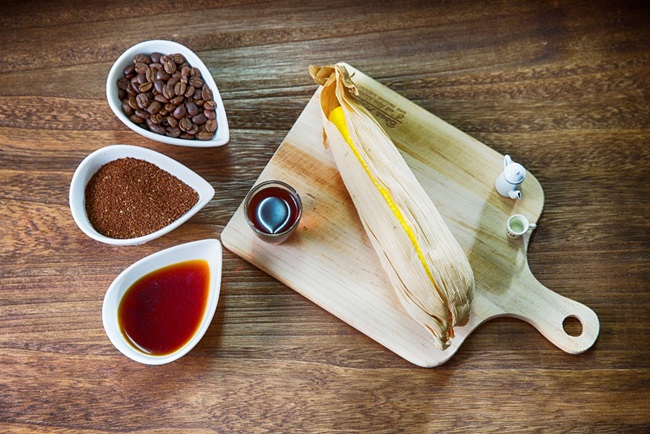
Global Coffee Bean grading system details of Raw Bean grading Standards in Coffee producing countries
For the exchange of professional baristas, please pay attention to the naming methods of coffee in coffee workshop (Wechat official account cafe_style): G1, G2, G3, G4, AA, PB, SHB, SHG, EP, PLANTATION. What exactly does it stand for? The information that may be included in the name of a coffee is: country, producing area, variety, treatment, cup quality, bean order, bean shape or bean color, defect quantity
Grade analysis of Ethiopian coffee beans Ethiopian coffee beans are divided into five levels
Ethiopian coffee beans are divided into five levels. The first and second stages are washed beans. Washed beans Grade1 represents 3 defective beans per 300g raw beans, and Grade2 represents 4 defective beans per 300g. Gradc1 grade water washed beans are very rare and are generally difficult to buy. At present, all the washed beans exported from Ethiopia are Grade2 grade. The quality of sun-dried beans is Grade3 and Grade4 in order.

The best Colombian coffee beans introduce why there are sheep's foot beans and defective beans in raw coffee beans.
For the exchange of professional baristas, please follow the coffee workshop (Wechat official account cafe_style) Colombian coffee cabin manor washing Kaddura Colombia Huila Finca La Cabaa Washed Caturra has been specializing in more and more miniature raw bean merchants in specific countries in recent years, except for the boutique coffee countries Brazil, Panama, Costa Rica, Ethiopia, Guatemala, India.

The reason why coffee tastes different when washed in the sun-honey-treated coffee beans are washed in the sun
The reasons for the different taste of coffee washing in the sun-honey-treated coffee beans are washed in the sun to remove the skin, pulp and mucous membrane by water washing and fermentation. farms that use water washing must build washing pools and be able to introduce an endless supply of live water. During the treatment, the mellow beans are put into the pool and passed back and forth, using the friction of the beans and the power of running water to wash the coffee beans to light.

Introduction of Ten types of defective beans in the Common sense of Fine Coffee
Before selecting defective beans, raw beans need to be screened in order to make the beans uniform in size. You can use three different sizes of special custom screen, or you can use the metal screen sold in general horticultural shops, but pay attention to the size. The purpose of sieving is to separate the size of beans and remove impurities. The next step is hand-selected. In order to improve the efficiency of hand selection, some props must be used, including

Does Ethiopian coffee taste good in the sun?-introduction to the grading system of sun-cured Essex coffee beans
Professional coffee knowledge exchange more information about coffee beans please follow the coffee workshop (Wechat official account cafe_style) of all the coffee producing countries, Ethiopia is probably the most eye-catching one. In addition to the unique and outstanding coffee produced in the country, the mysterious legends related to the local coffee add to its charm. Ethiopian coffee with unrestrained floral and fruity aromas

Baking vocabulary related to "processor" for roasting coffee beans
The words mentioned in this section are all flavor words related to the post-harvest processing procedures (shelling, fermentation, washing, drying and storage), most of which are defective flavors. Clean: this common word means that the coffee bean comes directly from the fruit in the cup, without any defective flavor in the process. China and America
Introduction to the flavor of grapefruit G1 washed coffee in Yegasuefei Guji, Ethiopia
More information on coffee beans Please follow Coffee Workshop (official Wechat account cafe_style) among the coffee-producing countries, Ethiopia has an almost legendary status, not only because it is the birthplace of Arabica coffee, but also because it is different from most coffee-growing countries, coffee is not a plant that colonizes an alien cash crop. Planting, processing

What are the main treatment methods of raw coffee beans? how to distinguish the grades of raw coffee beans?
Professional coffee knowledge exchange more coffee bean information please pay attention to the coffee workshop (Wechat official account cafe_style) Coffee Cherry is actually a kind of fruit, coffee bean is the cultivation of coffee cherry, and then through different treatment methods to give coffee raw beans different flavor, after baking can enlarge the flavor of this treatment, thus forming different flavors and mouths of different coffee
What does the hand selection in Coffee mean? the reason for Indonesia Manning's three hand selections
Professional coffee knowledge exchange more coffee bean information Please pay attention to the coffee workshop (Wechat official account cafe_style) the so-called raw beans in the industry, which refers to the "core of coffee fruit, the core in the core (usually left and right lobes)" after treatment (sun / water washing / semi-washing, etc.), the fruit fermentation process, dry coffee beans with a moisture content of 10-12%. As pictured above, in
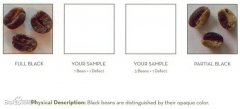
SCAA Fine Coffee Grading All kinds of defective beans
Whole black beans/partial black beans Appearance characteristics: black opaque raw beans Cup sensory characteristics: diversity: fermented flavor, sharp choking flavor, turbidity, mildew, sharp sour flavor, chemical stimulation flavor and other single or multiple odors mixed. Cause: Excessive fermentation, leading to microbial invasion infection. Whole/partial sour beans Appearance characteristics: Raw beans have a yellow, tan or reddish brown appearance, usually

What do you mean by hand selection of coffee beans? What is hand-selected coffee beans?
What is hand-selected: it is a step to remove impurities and bad beans attached to delicious coffee beans. Coffee beans are often mixed with foreign bodies, such as stones, sawdust, pieces of metal, grains of soil, fruit of trees, and sometimes coins and glass. A specific gravity bean selector (which uses wind power to classify according to particle size and weight) or an electronic bean selector (to remove defects according to color) is used in coffee production areas.

What do defective beans refer to? why should defective beans be found before roasting Coffee? effect of defective beans on coffee
Professional coffee knowledge exchange more coffee bean information Please pay attention to the efficiency of manual sorting in the coffee workshop (Wechat official account cafe_style). The trick is to regularize the sorting process to pick out defective beans from a large number of coffee beans, which is a very time-consuming and time-consuming task. But as long as you get the hang of it, you can do it efficiently. When picking out defects in raw beans, it is recommended that they be dull.
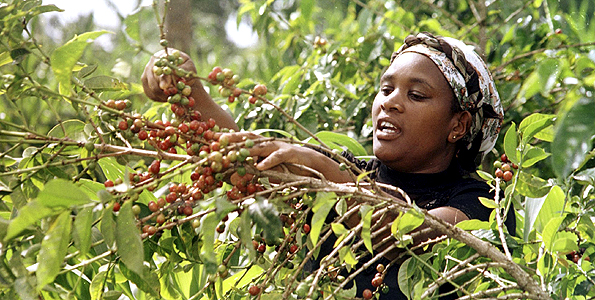
Dry water washing roasted coffee beans raw beans Ethiopian Sidamo sun treatment Lion King
The appearance of dry coffee is different from that of water-washed coffee: the water content of water-washed coffee is 12% Mel 13%, and that of dry coffee beans is 11% Mel 12%. Outwardly, the former looks darker green. Generally speaking, the raw beans with higher water content are mostly green or cyan, while those with less water content are brown or close to white. Raw beans are refined by washing.
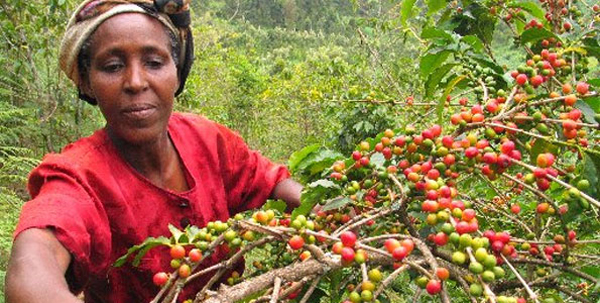
About Ethiopia coffee beans grade analysis to understand the quality of coffee beans classification
Ethiopian coffee beans are divided into five grades. The first and second stages are water-washed beans. Grade1 means 0~3 defective beans per 300 g of raw beans;Grade2 means 4~12 defective beans per 300 g. Grade 1 washed beans are extremely rare and generally difficult to buy. At present, all washed beans exported from Ethiopia are Grade2. The quality of sun-dried beans is Grade3 and Grade4 in sequence.

Coffee defective beans how to choose coffee beans bad beans coffee beans defective beans how to divide
Professional coffee knowledge exchange more information on coffee beans Please follow the coffee workshop (official Wechat account cafe_style) to pick out defective beans from a large number of coffee beans, which is a time-consuming and time-consuming task. But as long as you get the hang of it, you can do it efficiently. When picking out defects in raw beans, it is recommended to spread the beans on a dull black tray. Like fermented beans or unripe beans.

How to manually select coffee beans and defective coffee beans
Coffee beans harvested from the same tree, regardless of particle size, mature or immature, are all baked in the same pot, resulting in uneven baking.
Which coffee common sense belongs to the defective beans that affect the flavor of high-quality coffee?
Moldy beans: cyan and white bacteria grow because they are not completely dry or are too wet during transportation and preservation, which will make the whole cup of coffee mildew if mixed into roasting and grinding. Fermented beans: there are two main causes: one is the process of soaking in a washing fermentation tank, which is formed by water pollution, and the other is that the moisture in the warehouse makes it ferment and make the beans.
Hand-selected coffee beans and defective coffee beans
I agree that apples don't taste different because of their size, but when it comes to roasting coffee beans, they all have to be heated anyway, and it doesn't matter if the coffee beans are different in size. Coffee beans harvested from the same tree, regardless of size